
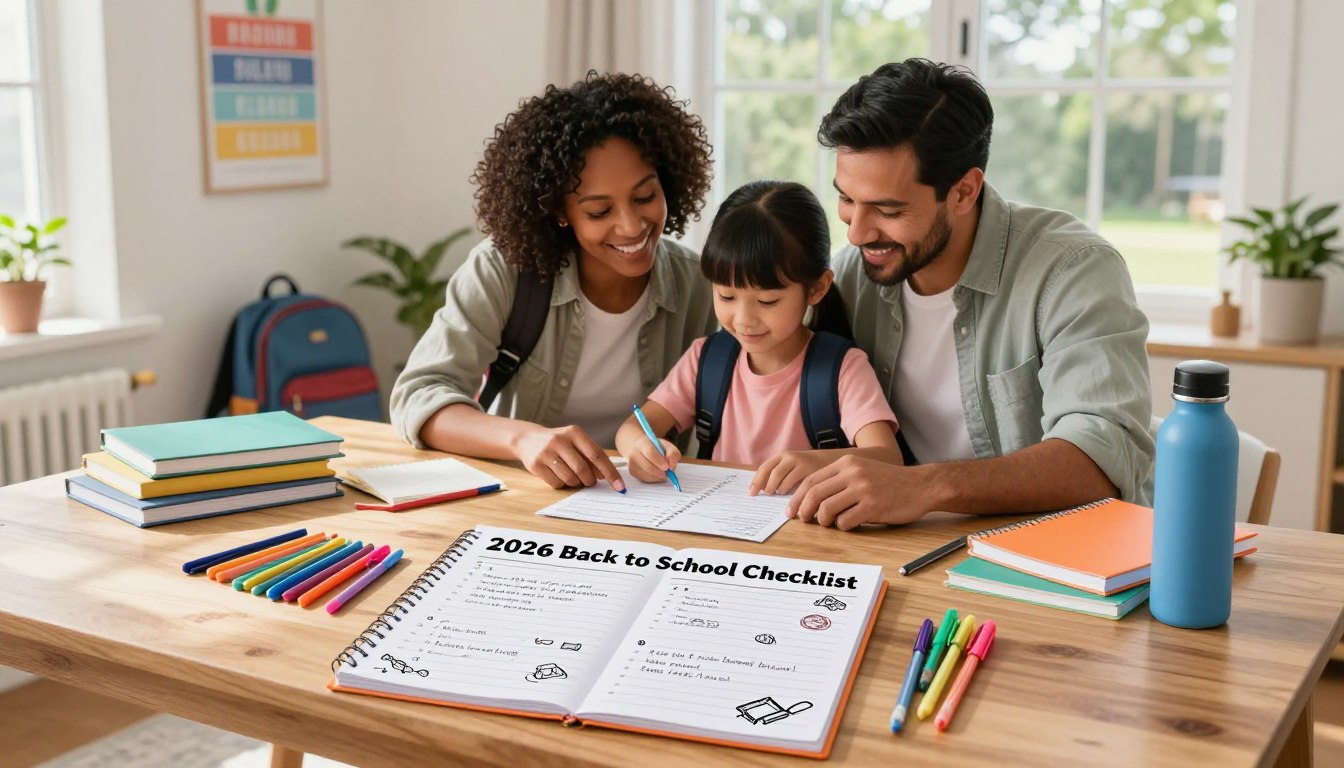
The start of a new school year can be overwhelming. There are so many things to remember, from health shots to backpacks. That's why we made this checklist to help you plan easily and enjoyably.
We're a community of families getting ready together. This checklist guides you through everything you need for the school year. It covers health, sleep, supplies, clothes, lunches, and more. Also, we suggest local shopping spots. Lauderhill Mall offers great deals and family-friendly services.
Keep reading for more details. Each section has clear steps to help you not miss anything. Together, we'll make this school year great for kids and families. Let's get started!
Lauderhill Mall for back-to-school deals and support. Get supplies, update your wardrobe, and get help from trusted stores. See you at the mall!
Back to School Checklist
We start with a detailed back to school checklist. It covers everything from health forms to school supplies. You'll also need to think about clothes, lunches, and how to stay organized.
Don't wait too long to start! Get your hands on teacher and district lists early. Check what you already have to avoid buying too much. Remember to add things you always needed later, like extra glue or a second pair of shoes.
- Gather medical and enrollment forms first.
- Match supply lists to grade and electives.
- Note extracurricular gear and sports needs.
Save money by shopping smart. Look for sales, use coupons, and buy in bulk. Thrift stores and dollar stores are great for basics like pencils and notebooks. Compare prices at different stores to find the best deals.
Try to reuse good items when you can. Backpacks, pencil cases, and water bottles can last a long time. Keep a bin for items you can give to others.
- Create one consolidated checklist you can print or save on your phone.
- Cross items off as you shop to stay organized.
- Keep receipts for returns and warranty claims.
Use this guide to stay calm and organized. Share the list with family and caregivers. A well-planned approach makes mornings easier and helps kids start the school year off right!
Your Child’s Health and Required School Paperwork
We want every child to feel safe and ready on day one! Start with a summer visit for school physicals and well-child checks. These appointments track growth, spot learning or behavior concerns, and give families time to get paperwork in order.
Back-to-school vaccines are often required before students can attend. Common shots include MMR, DTaP, varicella, polio, hepatitis B, and seasonal flu. Check immunization requirements with your school nurse or local health department so you can schedule any needed boosters early.
Sports families should ask if sports physicals differ from routine exams. Many districts accept a single visit for both school and athletics. Call your pediatrician or local clinic to book a slot before schedules fill up.
- Bring printed immunization records to registration.
- Request medication orders from your child’s doctor if medication at school will be needed.
- Prepare an allergy action plan for food or insect allergies, and be sure EpiPen and inhaler instructions are current.
Know school policies on illness reporting, medication at school, and emergency contacts. Complete authorization forms for daily medicines and emergency use of epinephrine. Keep copies of IEP or 504 plans and any specialist notes handy so services start without delay.
We suggest updating prescriptions and getting signed forms from your pediatrician early. Local pediatric clinics and offices, like Lake Forest Pediatrics, can help with records and forms. Early planning cuts stress and keeps kids healthy and learning!
Sleep, Routines, and Mental Readiness
We start easing into a back to school sleep schedule at least two weeks before classes. Move bedtime earlier by about 10 minutes each night until you hit the target. Shift wake-up times the same way, so mornings don't feel abrupt.
Consistent habits help. Set morning routine tips like laying out clothes, packing backpacks, and a quick breakfast plan the night before. Power down screens 30 minutes before bed to help kids fall asleep faster.
Routines provide stability and create healthy routines for kids. Hold short family meetings to assign morning tasks and after-school chores. A steady plan reduces chaos and builds calm.
Emotional check-ins matter for mental readiness for school. Make time to talk about worries over a snack or at the dinner table. If you have a child starting at a new school, take a tour together to make the place familiar.
- Watch for behavior changes like withdrawal, trouble sleeping, or sudden mood shifts.
- Contact the pediatrician or the school counselor if anxiety affects daily life.
- Encourage open talk and offer reassurance without judgment.
Predictable family routines boost focus. Aim for regular family dinners and a quiet, comfy homework spot. Let your child personalize that space with a favorite lamp or stickers to make homework inviting.
Keep hygiene simple and clear. Teach handwashing, coughing etiquette, and not sharing food or drinks. Pack hand sanitizer or disinfectant wipes in backpacks as a quick guard against germs.
Use these small steps to make the transition smoother. A calm back to school sleep schedule, clear morning routine tips, and steady healthy routines for kids help strengthen mental readiness for school and set the tone for a positive year!
Study Supplies, Backpacks, and Organization
Start with the teacher's school supplies list. Use it as your guide. Check what worked last year and keep what's good. This helps reduce clutter and saves money.
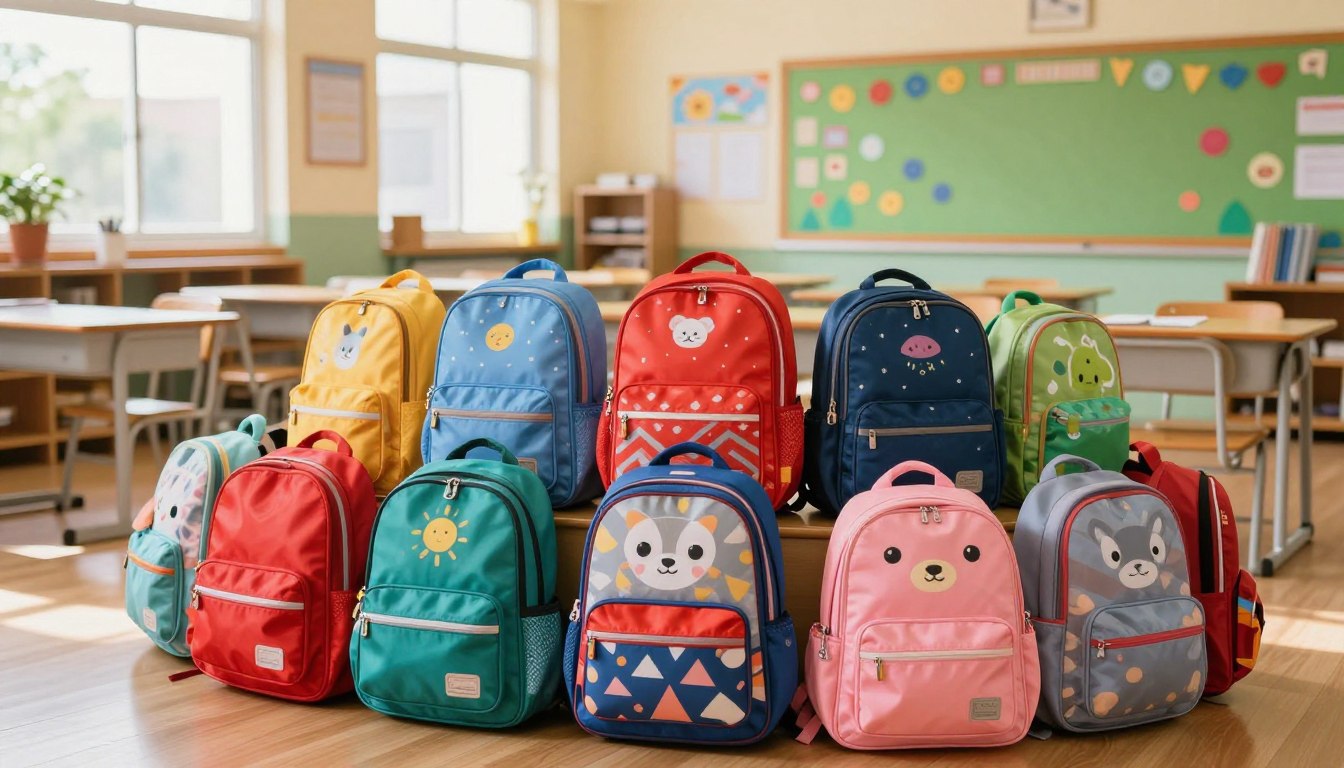
For basics, buy pencils, erasers, and glue sticks in bulk. Try warehouse clubs like Costco or online on Amazon. Use sales and coupons from Target or Walmart to save more.
Don't just think about pencils. Get folders, small binders, and labels for better organization. Colorful folders help find subjects easily. Labels keep things from getting lost.
- Check lists for extracurriculars and after-school programs.
- Replace worn water bottles and pencil holders.
- Add items you ran out of last year.
Shop smart: thrift stores and dollar stores have great deals. Compare prices before buying new to stay budget-friendly.
Choose backpacks that fit well. Look for padded straps, the right size, and water-resistant materials. For older kids, pick ones with laptop or tablet spots and lots of pockets.
Label everything with a permanent marker or name labels. This saves time and stress at school pick-up. Small habits like consistent labeling improve organization and reduce replacements.
Plan a midyear supply check. Refill common items from your bulk stash to avoid last-minute runs. These small steps keep us calm, keep kids prepared, and stretch the back-to-school budget further.
Clothing, Uniforms, and Shoes
We first check the school handbook for dress codes and approved vendors. We find out where to buy school uniforms and if there are secondhand sales at school or through the PTA. This saves money and helps build community!
When shopping for back to school clothes, choose easy-care fabrics. These wash and dry quickly. Layering is best for Florida's weather. Label jackets and sweatshirts to avoid losing them.
When picking school shoes, fit is more important than style. Look for arch support, a roomy toe box, and durable soles. Try shoes on with the socks your child will wear and walk around the store to check comfort.
- Shoe fitting tips: measure feet in the afternoon when they are largest.
- Shoe fitting tips: leave about a thumb’s width of space at the toes.
- Shoe fitting tips: check for secure heel hold and flexible soles.
Reuse what fits. Swap or donate outgrown items early to clear closets. We love local resale shops at Lauderhill Mall and neighborhood drives for affordable school uniforms.
Plan for PE and sports needs. Check if school shoes for gym class must be specific brands or non-marking soles. Pack extra socks and a spare pair for rainy days.
Shop sales to save money. Buy the essentials first, then add extras if you can. A smart list helps us avoid impulse buys and keeps kids ready for school!
Lunches, Nutrition, and Daily Wellness
We think good food makes for better days! Start with a big breakfast and let kids eat slowly. A full morning helps them focus and feel good in class. Try easy breakfasts like Greek yogurt with fruit or whole-grain toast with peanut butter.
Plan lunches ahead. Pack the night before or make a quick assembly-line with your family. Use bento boxes or insulated containers to keep food fresh and fun.
Balance is important. Make sure lunches have lean protein, whole grains, fruits, and veggies. Add healthy snacks like apple slices, hummus with carrot sticks, or a small nut mix when it's okay.
Drinking water is key. Send a refillable bottle and remind kids to drink all day. Water helps them stay focused and have energy during lessons and playtime.
- Batch-prep lunches on Sundays to save time.
- Keep a list of kid-approved school lunch ideas on the fridge.
- Pack one favorite item alongside new foods to encourage trying them.
Follow school rules for allergies and special diets. Share medical forms and emergency meds with the nurse. Label lunches clearly to avoid mix-ups and protect students with food sensitivities.
Encourage movement and hand washing. Active breaks and good hygiene lower illness and boost wellness. When families need help, check local school meal programs or nearby cafes for reliable options.
We're here to make lunches easy and healthy! Small routines around packing lunches and choosing healthy snacks reduce stress. Keep hydration for kids in mind and see how nutrition supports learning and joy at school.
Academic Prep and Preventing Summer Slide
We want every child to feel confident on day one! Start with a quick review of last year's work. Look at tests, projects, and old assignments to find strengths and gaps. This quick check helps plan summer learning activities.
Keep practice fun and light! Try short workbooks, family reading, and online games. Prodigy Math is great for practice that matches the curriculum. Mix in Prodigy English or other tools to make learning enjoyable.
- Set a simple daily routine for short sessions.
- Pair reading with quick comprehension chats.
- Use adaptive tools to focus on gaps.
If gaps show up, reach out early. Talk to the school about tutoring, after-school help, or updated IEP supports. Meeting the new teacher before school starts is helpful. It helps everyone plan and set goals.
Use community guides and local tutoring if needed. Schedule an assessment or a few tutoring sessions to target trouble spots. We love summer learning activities that feel like play and build real progress!
Back-To-School Organization at Home
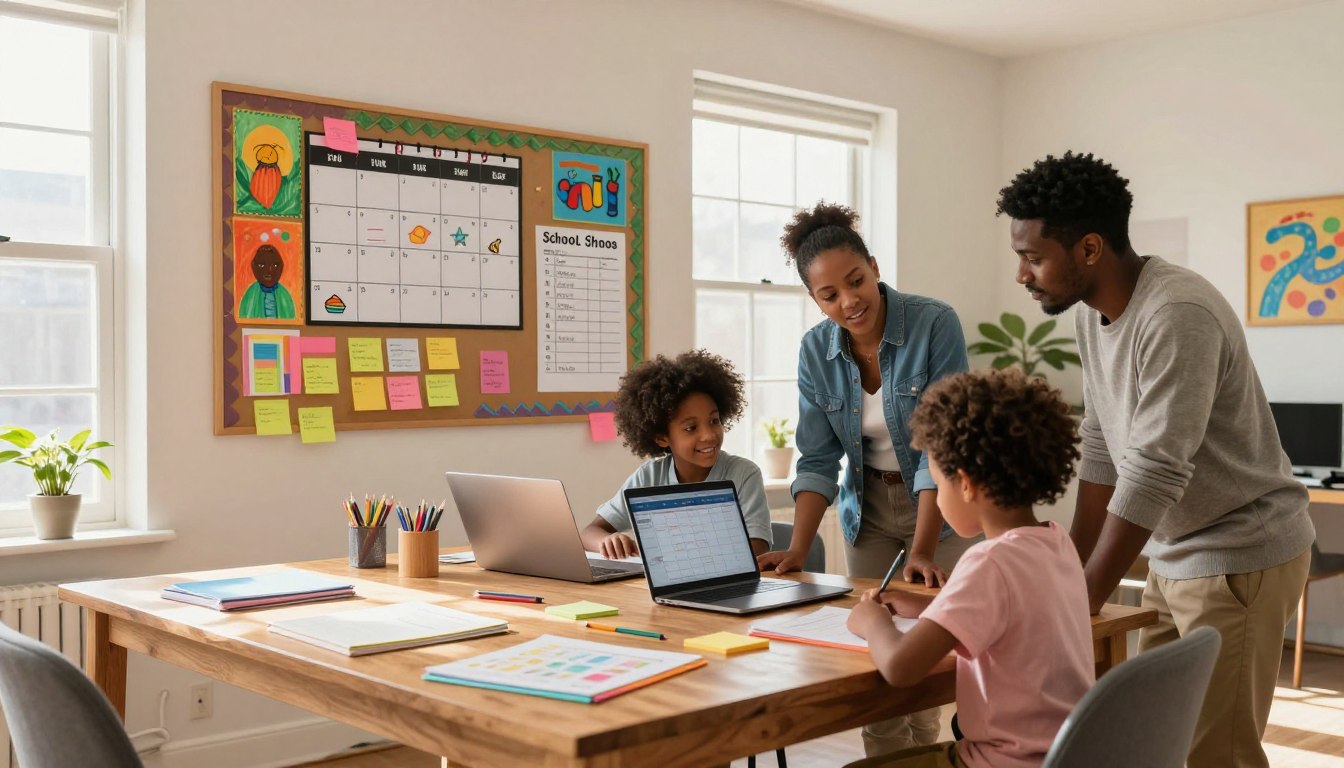
A calm morning starts with clear systems. Create a family command center or drop zone near the entry. Add hooks for backpacks, a shelf for lunch boxes, and a tray for permission slips.
Hang a visible school calendar in the kitchen or living room. Mark important dates like the first day, parent-teacher conferences, and extracurriculars. Sync key dates to phones so everyone sees updates in real time.
- Create a simple homework station that’s quiet and well lit. Keep pencils, erasers, and paper within reach.
- Personalize each child’s space so they feel ownership. A labeled bin or basket makes cleanup fast.
- Set up a spot to display artwork with clips or changeable frames to celebrate creativity without clutter.
Run short family meetings to assign morning and after-school tasks. Use routine charts or checklists that kids can follow. When roles are clear, mornings move faster and evenings feel smoother.
Plan lunches with an easy system. Pack the night before or set up an assembly-line station for quick morning fills. Keep breakfast items handy in a dedicated spot to skip the scramble.
Sort school papers with folders and bins. Make a home filing spot for report cards and important notices. Archive last year’s records so the current stack stays tidy and ready when the teacher sends updates.
School Communications, Safety, and District Coordination
We aim for clear and kind communication between home and school. First, review your district's communication plan and the tools your school uses. Make sure to check apps, emails, phone trees, social channels, and the school website.
It's important to be 100% contactable. Double-check phone numbers and email addresses. Ask families to sign up for apps like ParentSquare and opt into emergency alerts. Short checklists help families complete this quickly.
Understand how your district handles urgent situations. Test emergency alerts at the start of the year. Learn the steps for school closures, reunification, and urgent notifications to keep families secure.
Keep roles and content organized. Document who can send messages and who manages calendars. Remove last year's posts and update staff photos. Clear ownership helps in crisis situations.
- Use translation tools with two-way support to reach all families.
- Consider device access and language preferences when sending messages.
- Schedule regular messages: weekly newsletters and monthly updates work well.
Design templates for routine announcements and alerts. Test digital delivery of report cards and permission forms before busy weeks. This saves time and reduces confusion.
Work on attendance and family engagement early. Share steps for updating contact info and where to find forms. Reach out quickly when absences start to add up.
Train staff on communication best practices and privacy rules for student and staff data. Send a warm welcome to new families with key dates and app download tips.
Invite families to connect! Encourage questions, PTA participation, and volunteering. Strong partnerships make schools safer and more welcoming for every child.
Shopping and Savings: Lauderhill Mall Back-To-School Guide
Lauderhill Mall's back-to-school season is a big deal for our community! Families enjoy finding great deals on backpacks, school supplies, and uniforms. Local shops offer a wide range of options for every family's needs and budget.
Before you go, make a list of what you need. Check your school supply list and uniform or clothing list. Measure your child's feet at home for school shoes. Try on shoes with the socks they'll wear to school for the best fit.
- Shop Lauderhill Mall sales for bundles and clearance deals on last season’s clothes.
- Buy bulk basics—pencils, erasers, glue sticks—when they are on sale.
- Check thrift or consignment shops for uniforms to save money and reduce waste.
Plan your shopping trips over several weeks. This helps spread out costs and avoids the rush. Save big purchases like coats or major shoes until you're sure of the size. Use store coupons and loyalty programs for extra savings.
Take breaks while shopping. The food court is perfect for resting and refueling. The mall has family rooms, changing areas, and accessible parking for parents with young children. Stroller-friendly routes make your visit easier.
Keep an eye out for special events at the mall. Back-to-school fairs are great for connecting with local vendors and services. Support local stores at Lauderhill Mall to celebrate community styles and cultural choices. Your support helps neighbors grow.
Quick tip: reuse items that are in good shape from last year and shop sales for supplies you’ll need all year. With a little planning, back to school shopping Lauderhill can be joyful and wallet-friendly!