
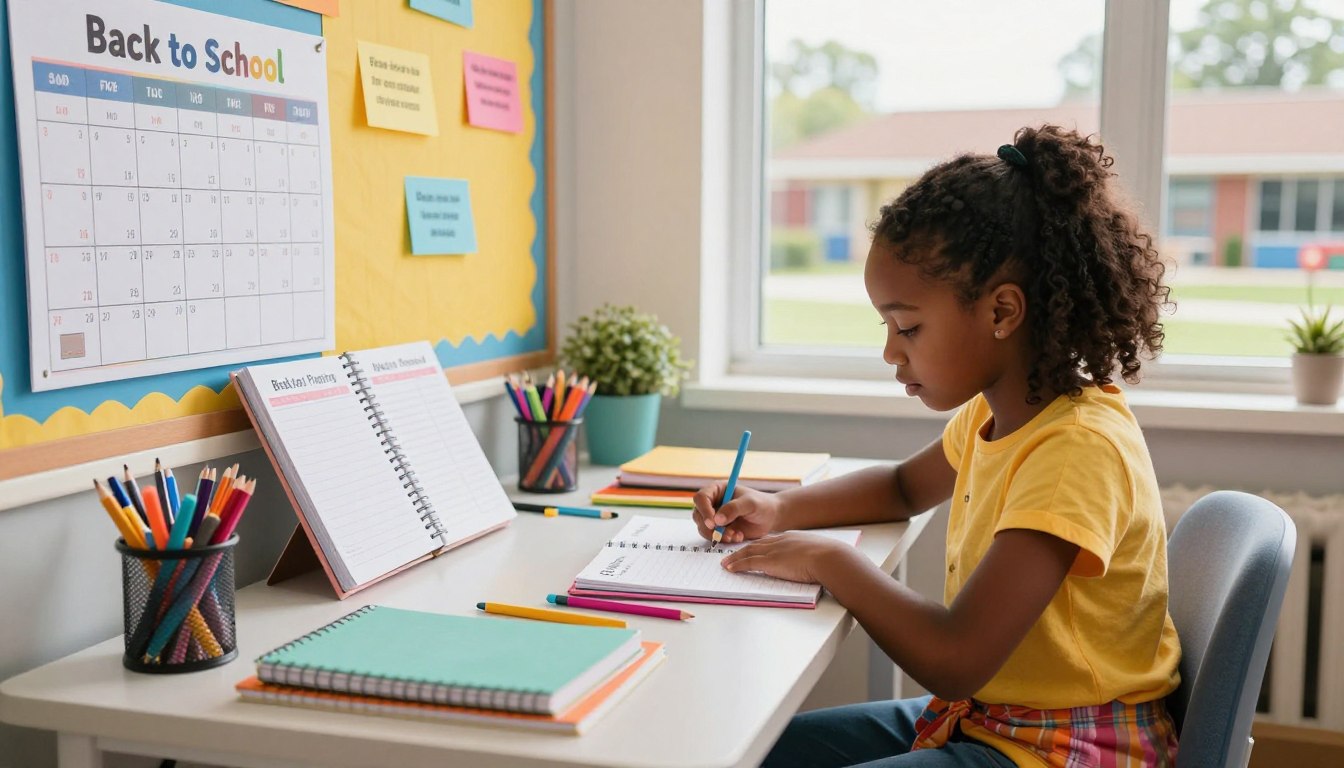
We all know the rush: making last-minute lists, fighting crowds, and feeling like we're running out of time. This stress affects everyone in the family. But, starting early can change everything.
Early planning means we have time to breathe, relax, and even enjoy getting ready for school. It turns planning into a fun activity where we can set routines and support each other. Plus, it helps us handle any surprises that come our way.
Shopping at Lauderhill Mall’ is key to this approach. The mall has everything from uniforms to backpacks, all at great prices. By shopping here, we support local businesses and get what we need without the hassle.
Want to make back-to-school a breeze? Head to Lauderhill Mall for all your prep needs. Shop local, save time, and enjoy a day out with your family. It's a stress-free way to start the school year!
Why Early Back-to-School Planning Matters for Families
We start early because it makes a big difference. Kids feel more at ease when routines start weeks before school. Families who use a checklist can adjust bedtimes and add quiet time before sleep.
This leads to better sleep and focus at school. Practical steps help reduce stress. Rehearsing walks, practicing bus rides, and checking bike helmets boosts confidence.
Planning travel and safety routines gives families a clear schedule. This supports a stress-free start for kids and parents.
Shopping early avoids sold-out items and tight budgets. Finding deals on shoes, backpacks, and uniforms is key. Visiting Lauderhill Mall during sales helps families save money and get essentials before they're gone.
Plan the first week, not just the first day. Staggered routines and flexible schedules are better for surprises. Use a checklist to organize meals, drop-off roles, after-school care, and homework time.
This creates space for teachers and parents to adjust. Tap local supports for a smoother transition. Carpools, walking groups, and after-school providers build community and ease the load. When we plan together, our neighborhood supports a stress-free school start.
Back to School Planning: A Bird’s-Eye View for Parents and Teachers
We start with a bird’s-eye planning mindset. List every school-wide event, mandatory test, assembly, fire drill, and grade meeting. Put dates and times on one master sheet so teacher-family coordination is simple and clear.
Next, break that big picture into weekly school planning. Build a single weekly plan for subjects, specials, and recess. This helps teachers set lessons and lets families line up carpools and after-school care.
Follow a four-step funnel for the first week schedule. Step one is the Birds-Eye View you already made. Step two is weekly planning for each class. Step three is daily planning with getting-to-know-you activities and materials lists. Step four schedules when to teach rules, routines, and classroom procedures.
- Create a family first week schedule that mirrors the school calendar.
- Note items to buy, photocopy, or gather before day one.
- Keep everything in a binder or digital folder for quick access.
Parents should ask about specials, start-of-year events, and any schedule interruptions. Good teacher-family coordination makes mornings less stressful and gives kids room for calm starts and fun projects.
We find that planning the week ahead creates time margins on day one. That margin turns rushed mornings into relaxed welcomes and opens space for meaningful first interactions.
Classroom Management Starts Before Students Arrive
We start with a detailed checklist for classroom management. We prepare materials, post routines and rules, and assign jobs before the first day. This makes everyone feel calm and confident.

Plan out the first week's routines on a simple calendar. Choose which routine to teach each morning. Create visual aids like PowerPoint slides or posters for lining up, turning in work, and asking for help.
Pack a Curriculum Binder or packet with lesson scripts, backup activities, and family notes. Include read-alouds, a time capsule idea, and easy art projects. This keeps the day running smoothly and reduces stress.
- List key routines and rules to teach on day 1, day 2, and day 3.
- Create visual aids for each routine and rehearse transitions.
- Assign class jobs with clear expectations and brief rotations.
Share routines and rules with families before school starts. Ask parents to practice simple tasks at home. This makes learning routines smoother.
Teach routines in small steps. Model, practice, and review daily. Be patient as students learn many new expectations. Gentle repetition helps habits stick.
- Plan: list routines, materials, and roles.
- Prepare: make slides, posters, and a backup activity box.
- Partner: invite families to reinforce routines at home and shop locally for supplies.
We invite local families to collaborate and use nearby resources like Lauderhill Mall for supplies. Strong partnerships help classrooms open ready, welcoming, and well-stocked.
Practical Back-to-School Shopping: Essentials to Buy Early
We create a simple back to school shopping list to ease the process. Start with school shoes and uniforms for a comfortable fit. Check your school’s dress code early and find sales at Lauderhill Mall to support local shops!
Then, focus on backpacks and supplies. Pick a backpack with wide straps and a padded back. Teach kids to wear both straps. Keep the pack weight at 10–20% of their body weight to avoid strain.
- Basic school supplies early purchase: notebooks, pencils, erasers, glue sticks, safety scissors.
- Grade-specific items: scientific calculators, graphing tools, or art kits.
- Lunch containers, water bottles, and labeled folders for each subject.
Buy school shoes that are comfortable and a bit big. Look for flexible soles and secure fastenings. For uniforms, check stitching and material for durability through weekly washings.
Next, think about safety gear. Get helmets that meet U.S. Consumer Product Safety Commission standards for biking. Choose reflective vests or night visibility accessories for kids who walk or bike to school.
Consider a family curriculum or planning binder. It organizes schedules, health forms, and emergency contacts. A binder keeps everything in one place and reduces morning stress.
Shopping early helps avoid shortages and supports small businesses in our community. Visit local stores at Lauderhill Mall for deals on backpacks and supplies. This helps our neighborhood thrive!
Lauderhill Mall Back-to-School Shopping Guide
We created a simple guide for back-to-school shopping at Lauderhill Mall. Start early to find great deals on school shoes, backpacks, uniforms, and more. Mornings on weekdays are best for avoiding long lines and finding the perfect fit.
Here's a quick plan to help you shop efficiently! Start with shoe and uniform stores to check sizes. Then, visit specialty shops for backpacks and school supplies. Finish with a break at the food court to rest and compare your finds.
- Bring a list of what your kids need and teacher requests to stay focused.
- Check for sale dates to snag doorbusters and limited-size uniforms.
- Compare brands and prices early to save money.
Lauderhill Mall sales often include bundle deals that save time and money. We suggest using the mall as a one-stop shop and a fun outing. You'll support local businesses, meet neighbors, and enjoy the cultural variety of stores.
Keep your receipts for price matching and exchanges. If you have multiple students, plan short visits over several days. Follow this guide and you'll get everything your kids need while enjoying the new school year together!
Preparing Children: Routines, Sleep, and Healthy Habits
We start by adjusting sleep times a week or two before school starts. Making small changes helps kids adjust without feeling overwhelmed. A consistent sleep routine is key for a great school year.
Establish a calming bedtime routine for your kids. This can include a bath, quiet reading, and tuck-in time. Make sure to remove screens at least an hour before bed. These steps help create healthy habits and make mornings easier for everyone.
Focus on nutrition for school success by serving protein-rich breakfasts. Try eggs, Greek yogurt, or peanut butter on whole-grain toast. Also, pack water and balanced lunches with fruits, veggies, and lean protein. Avoid sugary drinks to keep your child focused during the day.
- Practice backpack safety: choose wide padded straps and keep the heaviest items close to the back.
- Keep backpack weight under 10–20% of your child’s body weight.
- Teach kids to pack and carry items safely as part of healthy school habits.
Visit the school, walk the route, and explore the playground before the first day. Familiar places help ease nerves and boost confidence. Attend orientations to let kids see routines and meet teachers in a relaxed setting.
Give children small responsibilities like picking clothes, packing a lunch, or setting an alarm. These tasks help build independence and reduce stress. We also show them how to handle changes calmly, teaching them to adapt.
- Shift bedtime gradually.
- Create a consistent bedtime routine for kids.
- Prioritize protein and water for nutrition for school success.
- Practice the school route and backpack safety.
We’ll do this together as a community.
Transportation and Safety Planning Before the First Day
We start by making a simple plan that keeps kids safe and calm. Review bus rules with your child: wait until the bus stops, board and exit carefully, and stay seated. Share clear bus safety tips with caregivers and the school so everyone knows emergency plans for chronic conditions.
For car rides, check car seats and boosters. Use them until seat belts fit properly, usually near 4'9" and between ages 8–12. Keep kids under 13 in the rear seat. Follow your state’s graduated license rules for teens to limit nighttime driving and passengers.
Biking practice builds confidence. Ride planned routes, wear a properly fitted helmet, use hand signals, and stay to the right. Bright or reflective clothing helps drivers see young riders.
Walking to school safety means choosing routes with crossings and adult crossing guards. Practice crossing streets together. Think about starting a walking school bus group with neighbors so kids travel in a small, supervised team.
Carpool safety needs clear agreements. Rehearse pickup and drop-off procedures and choose safe meeting spots. Coordinate with neighbors, share contact info, and have a backup plan for delays so kids can problem-solve small glitches.
When shopping at Lauderhill Mall before school starts, pick a planned parking and pick-up spot. That makes errands smoother and protects kids when loading and unloading in busy lots.
We coach calmly and cheer success! Calm guidance helps kids gain independence and handle small surprises. Use practice runs, short debriefs, and positive reinforcement to build safe habits together.
Social and Emotional Preparation for Students
We start by naming feelings. Back-to-school anxiety is normal. Saying "It's okay to feel nervous" opens the door to calm conversations. We point out the fun parts of school, like seeing friends and trying new activities, to balance worries.
Give children space to talk. Ask short, open questions and listen. Resist overplanning and stepping in too fast. Let kids try small solutions so they gain practice and feel capable.
- Role-play common scenes: bus lines, carpool greetings, cafeteria seating.
- Coach simple phrases: "Please do not talk to me like that" and how to walk away calmly.
- Practice confident body language: stand tall and make brief eye contact.
Teach problem-solving, not rescuing. When kids manage a social hiccup, praise effort. That builds resilience and supports social readiness.
If bullying happens, report it to school staff and work with teachers and counselors on a plan. Teach empathy at home and set clear, nonphysical consequences for hurtful actions.
Validate feelings by linking them to past wins. Remind a child of a time they tried something new and succeeded. Set small goals for each day to reduce first-day stress and grow confidence.
Use community supports. Arrange neighborhood walk groups or playdates. Visit Lauderhill Mall events to help kids feel comfortable in public settings. These steps aid building resilience and make the start of school friendlier.
We cheer them on! Small practices at home mean less back-to-school anxiety, stronger social readiness, and steady progress in building resilience.
Organizing Homework, After-School Care, and Extracurriculars
We want families to feel confident about homework routines and after-school care planning! Start by carving out a homework-friendly home. Choose a quiet corner with good light, a clutter-free desk, and easy access to supplies.
Set simple house rules. No TV or distracting devices during homework time. Use checklists and timers to turn tasks into wins. Hold a weekly planning session to map homework and extracurricular scheduling so nothing overlaps.
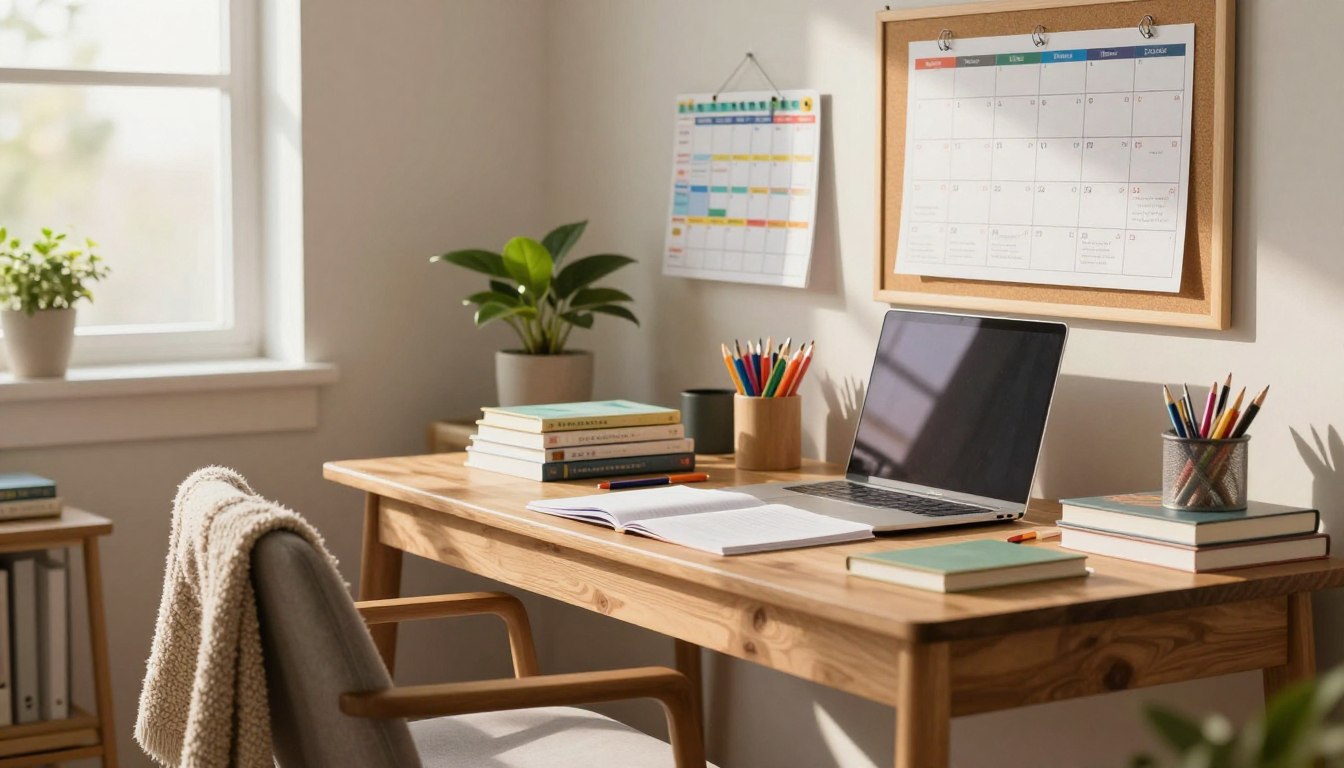
- Build homework time into after-school schedules. Leave buffer time for snacks and a short break.
- Limit evening activities when homework load is heavy. Fewer late practices mean better focus and sleep.
- Coordinate family calendars and budgets before you commit to programs or classes.
When choosing after-school care, vet staff-to-child ratios and staff training. Ask about health and emergency plans and inspect the facility for safety. Communicate rules and check-in times to relatives or caregivers who supervise.
- Use timers and color-coded calendars to keep track of deadlines and rehearsals.
- Sign up for extracurriculars through local hubs like Lauderhill Mall vendors or community centers when relevant.
- Contact teachers early if a child struggles. Request recommendations or evaluations without delay.
We support practical choices that protect family time and learning. Good after-school care planning and smart extracurricular scheduling help kids stay engaged and reduce stress for everyone.